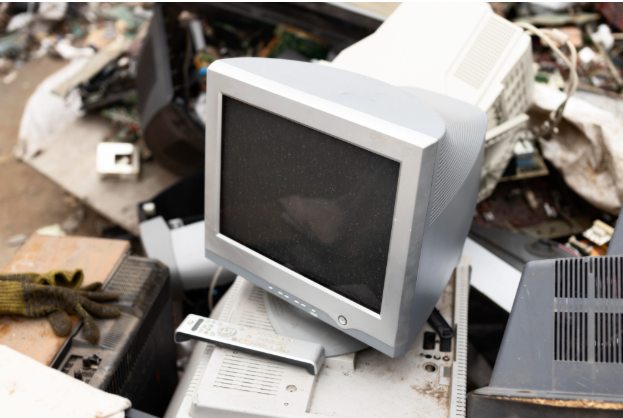
As technology advances, desktop computers seem to become outdated faster than before. Many households and workplaces tend to replace their machines every few years to run newer software and meet performance expectations. But when old desktops are tossed the wrong way, it can feed electronic waste, or e-waste, and that brings both environmental damage and health concerns.
Desktop computer recycling feels like a responsible option because it recovers valuable materials, reduces what ends up in landfills, and helps move things toward a more sustainable future.
If you are thinking about swapping an older computer, knowing what happens during recycling can make it easier to handle it safely and more responsibly too.
Why Desktop Computer Recycling Matters
A desktop computer is basically a mix of metals, plastics, glass, plus internal electronic parts. Some of those components can be recovered and reused, while others may contain substances that really should not be buried in landfills.
Desktop computer recycling helps conserve natural resources by recovering materials such as aluminum, copper, steel, and even select precious metals. It also limits the additional pollution generated when companies manufacture new raw materials, and it lessens the broader environmental impacts of e-waste.
How to Prepare Your Computer for Recycling
Before you hand off your desktop computer, it helps to take a few steps to protect your information and set up the device properly.
- Back up anything important you might still need later.
- Then move documents, pictures, and programs to another device or store them in cloud storage.
- Sign out of your personal accounts that are connected to the computer.
- If possible, run a full data wipe, or choose a factory reset.
- Take away any outside storage drives or extra accessories that you want to keep.
Keeping your personal information secure should always come first, before you turn the computer over for recycling.
What Can Be Recycled?
Most parts of a desktop computer can be recycled or reused. Common recyclable components include:
- Computer case
- Motherboard
- Hard drive
- Power supply
- RAM
- Processor
- Cooling fans
- Metal components
- Plastic housing
- Cables and connectors
Some older components may even be refurbished and reused if they remain functional.
Benefits of Desktop Computer Recycling
Choosing to recycle your desktop computer offers several advantages:
- Reduces electronic waste in landfills.
- Conserves valuable natural resources.
- Supports the recovery of reusable materials.
- Reduces energy consumption in manufacturing.
- Helps prevent hazardous materials from harming the environment.
- Encourages responsible technology disposal.
These benefits contribute to both environmental protection and a more sustainable electronics industry.
Choosing a Responsible Recycling Service
Not every recycling service is doing it the same way. When you pick a recycling provider, try to find those organizations that really stick to responsible recycling practices. Also place emphasis on data security, not just “getting rid of it”.
A good and trustworthy recycler should be able to safely process electronic equipment, recover reusable materials, and handle hazardous components in compliance with environmental regulations. If the computer is still functional, some places may refurbish it and then donate it to schools, nonprofits, or even people who genuinely need it.