There is a difference between seeing the Serengeti and experiencing it. A Serengeti luxury safari moves beyond the standard game-drive-and-buffet routine into something more personal: private guides who know the terrain intimately, camps that blend into the landscape, and itineraries designed around your pace rather than a group schedule. For travelers who value privacy, comfort, and depth of experience, this is Africa at its most refined.
This guide explains what luxury really means on safari, what to look for, and how to plan a journey that delivers true value at the top end of the market.
What Defines a Serengeti Luxury Safari?
Luxury on safari is not simply a higher price tag. The best high-end experiences share a handful of qualities that change how you spend each day.
Exclusivity and low density. Premium camps typically hold a small number of tents, sometimes fewer than a dozen. Fewer guests means quieter dinners, more personal service, and less crowding at wildlife sightings.
Prime locations. The most coveted camps sit in private concessions or in strategic spots inside the national park, close to calving grounds, river crossings, or leopard country. Position is often what separates a good safari from a remarkable one.
Expert, dedicated guidance. Top operators employ guides with years of field experience, strong tracking skills, and a talent for storytelling. Many luxury itineraries offer a private vehicle and guide, so you can linger at a sighting as long as you wish.
Personalized service. From tailored menus to flexible meal times, a luxury safari adapts to you. Staff remember preferences, and itineraries are shaped around interests such as photography, birding, or family travel.
Types of Luxury Accommodation in the Serengeti
Permanent Luxury Lodges
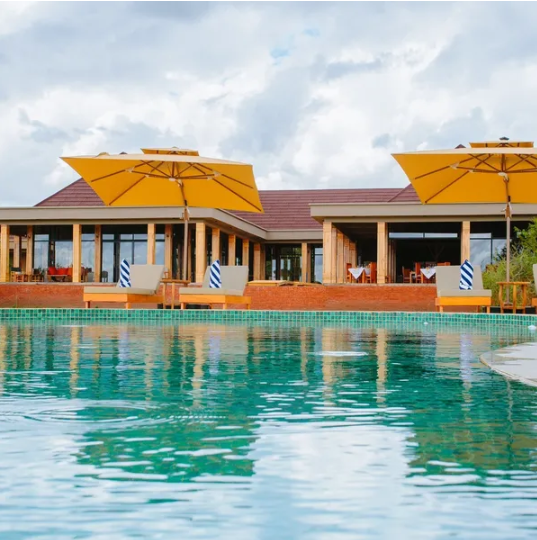
Set on hillsides, kopjes, or river valleys, permanent lodges offer sweeping views, spacious suites, spas, infinity pools, and refined dining. They suit travelers who want stability and a full range of amenities. Many use natural stone and timber so that the architecture feels part of the landscape.
Luxury Tented Camps
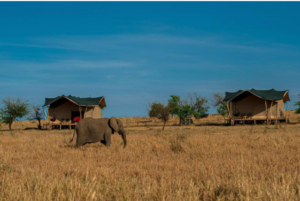
These camps pair canvas walls with genuine comforts: hardwood floors, freestanding baths, private verandas, and fine linens. Falling asleep to the sounds of the savanna while wrapped in comfort is a hallmark of the Serengeti luxury safari.
Mobile Luxury Camps
Among the most exclusive options, seasonal mobile camps relocate to follow the Great Migration. They are intimate and remote, with a small footprint and attentive staff. Because they move, they place you close to the herds, avoiding long transfers. Expect refined bush cuisine, hot bucket showers, and a true expedition atmosphere with high-end comfort.
Private Villas and Exclusive-Use Camps
For families and groups, some properties offer private villas or entire-camp bookings, complete with a dedicated chef, guide, and vehicle. These deliver maximum privacy and flexibility, ideal for celebrations or multi-generational trips.
Signature Luxury Experiences
Beyond the standard game drive, high-end safaris offer experiences that add depth and memorability.
- Sunrise hot air balloon flights: Drift silently above the plains and land for a bush breakfast with sparkling wine.
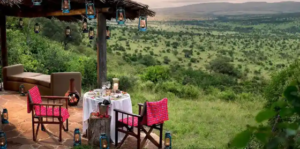
- Private bush dinners: A table set beneath the stars, lit by lanterns, in a spot chosen for you alone.
- Walking safaris: Led by an armed ranger and an expert guide, these focus on tracks, plants, insects, and the details missed from a vehicle.
- Photography-focused drives: Some camps provide specialized vehicles, longer drive times, and guides who understand light and positioning.
- Sundowners with a view: Drinks and snacks served at a scenic overlook as the sun sets over the plains.
- Cultural encounters: Thoughtfully arranged visits with Maasai communities, ideally where the benefits reach residents directly.
Some activities depend on the area and on park regulations, so ask your planner what is available at your chosen camp.
Timing Your Luxury Safari
The time of year shapes both the wildlife and the availability of the best camps.
June to October (dry season). Excellent wildlife viewing and, in the north, the Mara River crossings. This is the peak period, so the finest camps book out far in advance and rates are at their highest.
January to March (calving season). Large herds and newborn wildebeest in the southern plains, with predators in action. Southern camps and mobile camps are in high demand.
April, May, and November (green season). Lush scenery, dramatic skies, and lower rates. Fewer visitors mean an especially private experience, which can be appealing for those who prioritize quiet over guaranteed migration views.
For travelers with flexible dates, shoulder periods can offer outstanding value at the luxury level, along with the sense of having the park almost to yourself.
Designing a Luxury Itinerary
A well-built itinerary balances variety with time. Rushing from camp to camp reduces the very comfort you are paying for.
A classic seven-night journey might combine two or three areas of the Serengeti, such as the central Seronera region, the northern plains, and a southern or western location, with each stay lasting two to three nights. Many travelers add Ngorongoro Crater, known for its dense wildlife and dramatic setting, either before or after the Serengeti.
Planning tips for a seamless trip:
- Fly between camps. Light aircraft transfers connect airstrips across the park and save hours of driving, a defining feature of luxury travel.
- Allow at least two to three nights per camp. This provides time to settle in and enjoy the surroundings.
- Build in rest. Include a slower morning or an afternoon at camp, since early starts and long drives accumulate.
- Consider extensions. A beach stay on Zanzibar or a gorilla trek elsewhere in the region can complement the safari.
Understanding Luxury Safari Costs
Luxury Serengeti safaris sit at the top of the price range, and rates vary widely by season, camp, and itinerary length. Several factors drive costs:
- Accommodation tier and season: Peak-season rates at top camps are substantially higher than in the green season.
- Park and concession fees: These form a significant portion of the total and differ by area.
- Private guiding and vehicles: A dedicated vehicle and guide raise costs but greatly improve flexibility.
- Internal flights: Scheduled or charter flights add convenience at an added price.
- Inclusions: Many luxury camps include meals, drinks, laundry, and activities, which simplifies budgeting.
Always request an itemized quote. Verify what is included, from drinks and activities to transfers and fees, and confirm current fee schedules before paying a deposit, since regulations and pricing can change.
How to Choose the Right Luxury Operator
The operator you select matters as much as the camp. Look for:
- Licensing and reputation: A properly licensed Tanzanian company or established specialist with a strong track record.
- Local knowledge: Planners who have visited the camps and understand seasonal conditions.
- Transparency: Clear pricing, cancellation terms, and safety procedures.
- Flexibility: The ability to adjust your plans if the herds move or conditions change.
- Responsible practices: Commitment to conservation and community benefit.
One helpful test is to ask how the operator would advise you if your dates fall in a less-than-ideal period. An honest answer is a good sign.
Travelling Responsibly at the High End
Luxury and sustainability are increasingly linked. Many top camps operate on solar power, limit single-use plastics, employ and train local staff, and fund community projects such as schools and clinics. Private concessions can also support conservation by reducing vehicle density and funding anti-poaching work. When choosing a camp, ask about its environmental policies, local employment, and community contributions. Responsible choices often enhance the experience by keeping the landscape and wildlife healthy.
Practical Preparation
A little planning adds to your comfort:
- Packing: Neutral clothing, a warm layer for early mornings, sun protection, binoculars, and a camera with a good zoom lens. Soft-sided bags are best for small aircraft, which often have strict luggage limits.
- Health: Consult a travel clinic about vaccinations and malaria prevention, and confirm entry requirements.
- Insurance: Take out travel insurance covering medical care and evacuation.
- Booking early: The best camps are small, so book many months ahead for peak periods.
Conclusion
A Serengeti luxury safari is about more than comfort. It is about space, access, and expertise: the freedom to remain with a lioness at dawn, to dine beneath a sky full of stars, and to wake in a camp that treats the landscape with respect. By selecting the right season, choosing camps in well-positioned locations, giving yourself enough time, and working with a knowledgeable operator, you can turn a high-end safari into a deeply personal journey. The Serengeti rewards those who go slowly, and a luxury approach gives you every chance to do exactly that.
Key Takeaways
- Luxury on safari means exclusivity, prime locations, expert guides, and personalized service, not only high prices.
- Options range from permanent lodges and tented camps to mobile camps and private villas.
- Signature experiences include balloon flights, private bush dinners, walking safaris, and photography-focused drives.
- June to October and January to March are peak periods, so book far in advance; the green season offers privacy and value.
- Fly between camps and stay two to three nights in each to avoid a rushed itinerary.
- Request itemized quotes and confirm current fees and inclusions before paying.
- Choose operators and camps that prioritize conservation and community benefit.
Frequently Asked Questions
What makes a Serengeti safari luxurious?
Small, exclusive camps, prime locations, expert private guiding, high-quality food and service, and the flexibility to shape your own schedule all contribute. Comfort is part of it, but access and privacy matter most.
When is the best time for a Serengeti luxury safari?
June to October is best for dry-season viewing and river crossings, while January to March suits the calving season. April, May, and November offer fewer visitors and lower rates.
How many nights should I spend on a luxury safari in the Serengeti?
Seven nights is a popular choice, split between two or three camps. Even a shorter trip benefits from at least three nights in the park.
Are mobile luxury camps worth it?
For many travelers, yes. They follow the migration, giving you close access to the herds in an intimate, remote setting. They suit those who want a more adventurous atmosphere with high-end comfort.
Is a luxury safari suitable for families?
Often, though policies vary. Some camps set minimum ages or restrict certain activities. Private villas and exclusive-use camps are popular with families because they offer privacy and flexibility.
Do luxury safaris include drinks and activities?
Many do, but inclusions differ. Check whether alcoholic drinks, laundry, balloon flights, and transfers are covered, and ask for an itemized quote.
How far ahead should I book?
For peak seasons, book many months ahead, since the best camps have few rooms and fill quickly.