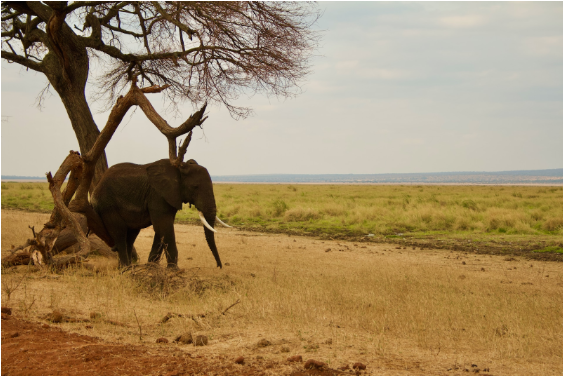
A Tanzania safari is already one of the most extraordinary travel experiences on Earth. But a custom Tanzania safari — one designed around your exact interests, travel style, budget, and timeline — elevates the journey from memorable to truly life-changing. Forget rigid group itineraries and fixed departure dates. Custom safaris put you in control of every detail, from which parks you visit to what time you wake up for your morning game drive. This guide explains everything you need to know about planning a bespoke Tanzanian safari from scratch.
What Is a Custom Tanzania Safari?
A custom Tanzania safari — sometimes called a bespoke, tailor-made, or private safari — is an itinerary built from the ground up to reflect your vision rather than a tour operator’s convenience. Unlike group safaris, which follow fixed routes with predetermined stops and hotel selections, a custom safari is a collaborative process between you and a specialist consultant.
Every element is negotiable: the parks you visit, the accommodation style (camping, tented camp, luxury lodge, or a mix), the pace of travel, the activities included, and the transportation method — whether self-drive, road transfer, or light aircraft. The result is a safari that fits your life rather than forcing your life to fit a template.
Custom safaris work for solo travelers, couples, families, groups of friends, corporate retreats, and multi-generational adventures. The concept scales up and down with both group size and budget.
Building Your Custom Safari: The Key Decisions
1. Choosing Your Parks and Regions
Tanzania’s national parks span an area larger than most European countries, each offering a distinct ecosystem and wildlife experience. Selecting the right combination is the first and most important decision in building your custom itinerary.
Serengeti National Park is the jewel of the Tanzanian safari circuit. At nearly 15,000 square kilometers, it hosts the world-famous Great Migration and supports extraordinary densities of predators year-round. A custom safari in the Serengeti can focus on specific zones — the southern Ndutu plains for calving season, the central corridor for resident prides of lions, or the northern Kogatende area for Mara River crossings.
Ngorongoro Conservation Area is unlike anywhere else on Earth. The caldera — a collapsed ancient volcano — contains a self-sustaining ecosystem with roughly 25,000 animals, including one of Africa’s densest populations of lions and a small population of critically endangered black rhinos. A custom itinerary can include both a crater floor game drive and time in the surrounding highlands, where Maasai communities live alongside wildlife.
Tarangire National Park is an underrated masterpiece best visited between June and October, when enormous elephant herds — sometimes 200 to 300 animals — congregate along the Tarangire River. Its ancient baobab-studded landscape is visually striking and dramatically different from the Serengeti’s open plains.
Ruaha National Park is Tanzania’s largest park and one of Africa’s most remote safari destinations. Ruaha rewards adventurous travelers with exceptional lion, leopard, cheetah, and wild dog sightings in near-total privacy. Its isolation means visitor numbers are a fraction of the northern circuit parks.
Selous Game Reserve (Nyerere National Park) in the south is Africa’s largest protected wildlife area and a UNESCO World Heritage Site. Famous for boat safaris along the Rufiji River, walking safaris, and exceptional elephant populations, it offers a completely different rhythm from the northern circuit.
A well-designed custom safari often combines two or three parks — a classic choice being Tarangire, Serengeti, and Ngorongoro — while more ambitious itineraries add Ruaha or Selous for a true north-to-south Tanzanian adventure.
2. Accommodation Style
Custom safaris span every accommodation category imaginable. The choice depends on your budget, comfort requirements, and the atmosphere you want.
Luxury lodges and permanent tented camps sit at the premium end of the market. Properties like those in the Serengeti’s private concessions offer suites with private plunge pools, gourmet dining, and exclusive game drives in areas closed to standard park vehicles. Rates typically range from $600 to $2,500+ per person per night, all-inclusive.
Mid-range tented camps deliver an authentic bush atmosphere with comfortable beds, en-suite bathrooms, and good food at a fraction of luxury prices. Many experienced safari travelers consider these the sweet spot — close enough to nature to feel immersive, comfortable enough to feel restorative.
Mobile camping — moving camp as the migration moves — is one of the most exciting options for a custom safari. Specialist operators position lightweight fly camps ahead of the herds, allowing guests to wake up surrounded by the migration itself. This is adventure travel at its finest.
Budget camping exists across Tanzania’s public campsite network and is perfectly viable for travelers who prioritize experience over comfort. A private custom safari on a budget is entirely achievable with the right operator.
3. Transportation: Road or Air?
How you move between parks shapes the character of your entire trip.
Road safaris are the traditional choice. A custom road safari in a private 4WD Land Cruiser with a dedicated guide offers maximum flexibility — you stop when you want, stay at sightings as long as you like, and cover ground at your own pace. Road transfers between parks can take 3–6 hours but often include wildlife sightings en route.
Flying safaris connect parks in 45–90 minutes by light aircraft, eliminating long road transfers and maximizing time in the bush. Flying between the Serengeti, Ruaha, and Selous in a single trip would be nearly impossible by road but straightforward by air. Charter flights can be included in fully custom itineraries, though they add significantly to the budget.
Combination itineraries — driving some legs and flying others — often strike the best balance between cost and efficiency.
Adding Experiences Beyond the Game Drive
The beauty of a custom safari is the freedom to move beyond traditional game drives and build a truly multidimensional experience.
Hot air balloon safaris over the Serengeti are among the most iconic experiences in African travel. Floating silently above the plains at dawn, watching elephants and lions move below, is something no game drive can replicate. Balloon flights are typically followed by a champagne breakfast in the bush.
Walking safaris transform your relationship with the African landscape. On foot with an armed ranger and expert guide, you learn to read animal tracks, identify plants, and understand ecosystems that are invisible from a vehicle. Ruaha, Selous, and certain Serengeti concessions are excellent for walking safari experiences.
Cultural experiences add profound depth to any Tanzania itinerary. A custom safari can include visits to Maasai bomas (villages) in the Ngorongoro highlands, tours of local markets in Arusha, or community-based tourism projects that directly benefit Tanzanian families.
Kilimanjaro trekking can be integrated into a custom Tanzania itinerary for active travelers. Climbing Africa’s highest peak (5,895 meters) before or after a safari is a bucket-list combination that Tanzania uniquely offers — no other country on Earth lets you summit the continent’s highest mountain and then watch lions hunt on the plains.
Zanzibar beach extension is the classic finish to a Tanzania safari. Three to five days on the island’s powder-white beaches provide the perfect counterpoint to days of dusty game drives. Stone Town, a UNESCO World Heritage Site, adds history and culture to the Zanzibar experience.
Custom Safari Budgeting: What to Expect
Custom safari costs in Tanzania vary enormously depending on accommodation choices, transportation method, group size, and season.
| Budget Tier | Daily Cost Per Person | What You Get |
| Budget | $150–$300 | Camping, shared transfers, public campsites |
| Mid-range | $300–$600 | Comfortable tented camps, private vehicle |
| Luxury | $600–$1,200 | Premium lodges, expert guides, fly-in options |
| Ultra-luxury | $1,200–$2,500+ | Exclusive concessions, private chefs, bespoke experiences |
Costs are typically quoted per person per night on a full-board basis, including accommodation, meals, game drives, and park fees. International flights, visas, travel insurance, and tips are almost always excluded.
Group size significantly affects per-person cost. A couple in a private vehicle pays more per person than a group of six sharing the same vehicle — so custom safaris are particularly cost-effective for families and small groups.
How to Choose a Custom Safari Operator
The quality of your safari depends enormously on your operator and guide. Look for these indicators of a reputable company:
- TATO registration — Tanzania Association of Tour Operators membership is a baseline indicator of legitimacy and accountability.
- Experienced, certified guides — the best guides hold Tanzania Wildlife Management Authority (TWMA) licenses and have 10+ years of field experience.
- Transparent pricing — a trustworthy operator provides fully itemized quotes with no hidden fees.
- Genuine customization — be wary of operators who offer “custom” itineraries that are simply renamed fixed packages with minimal flexibility.
- Ethical wildlife practices — your operator should follow minimum approach distances for animals, never encourage off-road driving in restricted areas, and support anti-poaching initiatives.
- Strong reviews — look for detailed, verified reviews on platforms like TripAdvisor, SafariBookings, and Google, paying attention to comments about guide quality and responsiveness.
Questions & Answers
Q: How far in advance should I book a custom Tanzania safari? A: For peak season (June–October), book at least 6–9 months in advance. Luxury camps in prime locations — particularly those in private Serengeti concessions — can fill up 12 months ahead. Off-season custom safaris can sometimes be arranged with 6–8 weeks’ notice.
Q: Can I customize a safari with young children? A: Absolutely. Custom safaris are in fact ideal for families because you control the pace and activities. Choose lodges with family-friendly policies, avoid extremely early morning departures, and incorporate shorter game drives with more camp time for younger children. Many lodges offer junior ranger programs for kids aged 6 and above.
Q: Is a custom safari more expensive than a group tour? A: For solo travelers, a custom private safari is typically more expensive than a group tour. For couples and groups of four or more, the per-person cost often becomes comparable — and the experience is incomparably superior. The private vehicle, flexible schedule, and personalized attention justify the cost for most travelers.
Q: Do I need travel insurance for a Tanzania safari? A: Travel insurance is not just recommended — it is essential. Ensure your policy covers emergency medical evacuation (which can cost $50,000+ without insurance), trip cancellation, lost luggage, and activity coverage including safari game drives and, if applicable, Kilimanjaro trekking.
Q: How do I communicate special dietary needs or health requirements on a custom safari? A: One of the great advantages of a custom safari is the ability to communicate every requirement directly to your operator. Vegetarian, vegan, gluten-free, and allergy-specific diets are accommodated at virtually all mid-range and luxury properties when notified in advance. Medical requirements — including altitude concerns for Kilimanjaro add-ons — should be discussed with your operator and personal physician before booking.
Q: What is the minimum number of days for a meaningful custom safari? A: A minimum of 7 days on the mainland is recommended to experience two or three parks without feeling rushed. Ten to fourteen days allows for a relaxed pace across the northern circuit plus a Zanzibar extension — widely considered the ideal Tanzania itinerary length for first-time visitors.
🔑 Key Takeaways
- A custom Tanzania safari is a privately tailored itinerary built around your specific interests, budget, travel dates, and group size — not a pre-packaged tour.
- Private vehicle hire is the cornerstone of a custom safari — your vehicle goes where you want, stays as long as you want, and answers only to your guide.
- Custom safaris can be designed for any budget — from mid-range camping to ultra-luxury fly-in expeditions — and every price point in between.
- Combining parks strategically — Serengeti, Ngorongoro, Tarangire, Ruaha, Selous — creates a richer experience than any single-park itinerary.
- The best custom safaris blend wildlife game drives with cultural experiences, walking safaris, balloon rides, and beach extensions in Zanzibar.
- Working with a licensed, specialist operator registered with TATO (Tanzania Association of Tour Operators) is essential for safety, quality, and ethical wildlife practices.
- Book at least 6–9 months in advance for peak season custom safaris, especially if targeting the Great Migration or high-demand luxury camps.
Conclusion
A custom Tanzania safari is not a luxury reserved for the ultra-wealthy or the endlessly adventurous — it is simply the smartest way to experience one of the world’s greatest wildlife destinations. When your itinerary is built around your interests, your pace, your budget, and your travel dates, every moment in the bush feels intentional rather than incidental.
Tanzania rewards the traveler who plans thoughtfully. The Serengeti’s endless horizon, the Ngorongoro Crater’s ancient bowl of life, Ruaha’s wild solitude, and Zanzibar’s spice-scented shores are all waiting — and none of them need to be experienced on someone else’s schedule.
The perfect Tanzania safari already exists. It just needs to be designed for you.