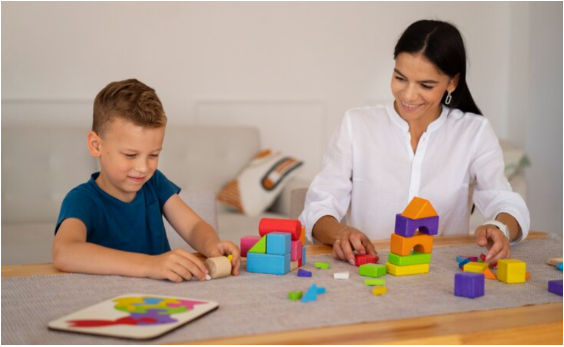
Children grow and develop in different ways, and sometimes they need extra support to reach their full potential. A children’s therapy clinic plays an important role in helping children with physical, emotional, behavioral, or developmental challenges. One of the most important parts of this support is creating personalized care plans that are designed specifically for each child. These plans are not general or fixed; instead, they are carefully built based on the unique needs, strengths, and goals of every child.
Understanding Each Child’s Individual Needs
The process usually begins with a detailed assessment. At a children’s therapy clinic, specialists observe the child’s behavior, communication skills, physical abilities, and emotional responses. They may also talk with parents, teachers, and caregivers to get a complete picture of the child’s daily life.
This stage is very important because no two children are the same. Some children may struggle with speech and language, while others may need help with motor skills or social interaction. By understanding these differences, therapists can identify what kind of support will be most helpful.
Creating a Personalized Therapy Plan
After the assessment, the therapy team works together to create a personalized care plan. This plan outlines the specific goals for the child and the types of therapy sessions that will be used. In a children’s therapy clinic, these goals are realistic and tailored to match the child’s abilities and pace of learning.
For example, a child with speech delays may focus on improving communication step by step, while another child with sensory issues may work on adapting to different environments. The care plan is designed to be flexible so it can be adjusted as the child progresses.
Using Different Therapy Approaches
A key strength of a children’s therapy clinic is the use of multiple therapy methods. Depending on the child’s needs, therapists may include speech therapy, occupational therapy, physical therapy, or behavioral therapy.
Each type of therapy focuses on a different area of development. Speech therapy helps with communication skills, occupational therapy supports daily living activities, and physical therapy improves movement and coordination. These therapies often work together to support the child in a balanced way.
Regular Monitoring and Adjustments
Personalized care is not a one-time process. At a children’s therapy clinic, progress is closely monitored through regular sessions and evaluations. Therapists track improvements and identify any new challenges that may appear over time.
If needed, the care plan is updated to reflect the child’s progress. This ensures that therapy always stays effective and relevant. Parents are also involved in this process, as their feedback helps therapists understand how the child is performing outside the clinic.
Supporting Families Along the Way
Another important aspect of personalized care is family involvement. A children’s therapy clinic often guides parents on how to support their child at home. This may include simple activities, communication techniques, or behavior management strategies.
When families are involved, the child receives consistent support both inside and outside the clinic, which improves long-term results.
Conclusion
Personalized care plans are at the heart of effective therapy for children. A children’s therapy clinic focuses on understanding each child deeply, creating tailored strategies, and continuously adapting those plans as the child grows. By combining professional expertise with family support, these clinics help children overcome challenges and move toward a healthier, more confident future.