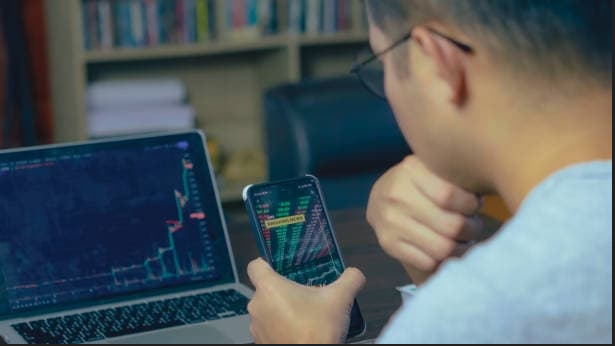
The digital landscape is evolving at a rapid pace, and with the advent of virtual reality (VR), the way we interact with data is changing too. Imagine stepping into a virtual trading floor where the ethereum price prediction is not just numbers on a screen, but a dynamic, immersive experience. Exchanges are harnessing the power of VR to transform data visualization, making it more intuitive and engaging for users. This shift is not just about novelty; it’s about enhancing the user experience and providing deeper insights into market trends, including the ever-fluctuating Ethereum price prediction.
Virtual Reality: A New Dimension in Data Visualization
The traditional method of data visualization involves static charts and graphs, which can be difficult to interpret, especially for complex data sets like the Ethereum price prediction. VR offers a three-dimensional space where data can be represented in a more interactive and comprehensible manner. Users can literally walk through the data, examining trends and patterns from different angles and perspectives. This immersive approach allows for a more intuitive understanding of the Ethereum price prediction, as users can see the data unfold in real-time, just like they would in a physical environment.
Enhancing User Experience with VR
User experience is a critical aspect of any platform, and VR has the potential to significantly enhance it. By creating a virtual environment where users can interact with the Ethereum price prediction and other market data, exchanges are offering a more personalized and engaging experience. This not only makes the platform more enjoyable to use but also helps users make more informed decisions. The interactive nature of VR allows users to manipulate data in real-time, testing different scenarios and strategies without any risk.
Deep Insights into Market Trends
One of the key benefits of using VR for data visualization is the ability to gain deep insights into market trends. With Ethereum price prediction being a complex and dynamic field, VR can help users understand the underlying factors that influence price movements. By visualizing the data in a virtual space, users can identify patterns and correlations that might not be apparent in traditional two-dimensional representations. This can lead to more accurate predictions and better-informed trading decisions.
The Role of AI in VR Data Visualization
Artificial intelligence (AI) plays a crucial role in enhancing the VR data visualization experience. AI algorithms can analyze vast amounts of data and present it in a way that is easily understandable within the VR environment. For instance, AI can highlight significant trends in the Ethereum price prediction, making it easier for users to identify potential opportunities or risks. The combination of VR and AI creates a powerful tool for data analysis, providing users with a comprehensive view of the market.
Security and Privacy in VR Data Visualization
As with any technology that handles sensitive financial data, security and privacy are paramount. Exchanges using VR for data visualization must ensure that their platforms are secure and that user data is protected. This includes implementing robust encryption methods and adhering to strict data protection regulations. Users must be confident that their financial information, including their interactions with the Ethereum price prediction, is safe and secure when using VR platforms.
Challenges and Limitations of VR Data Visualization
While VR offers numerous advantages, it is not without its challenges. One of the main issues is the cost and accessibility of VR technology. High-quality VR headsets and equipment can be expensive, which may limit the number of users who can access these advanced data visualization tools. Additionally, some users may experience motion sickness or discomfort when using VR, which can detract from the overall experience. Exchanges must address these issues to ensure that VR data visualization is both accessible and comfortable for all users.
The Future of VR in Data Visualization
The future of VR in data visualization is promising. As technology continues to advance, we can expect to see more sophisticated and user-friendly VR platforms for data analysis. This will not only improve the way we interact with complex data sets like the Ethereum price prediction but also open up new possibilities for data-driven decision making. The integration of VR with other emerging technologies, such as blockchain and AI, will further enhance the potential of VR data visualization, making it an indispensable tool for traders and analysts alike.
Conclusion
The integration of virtual reality into data visualization is a game-changer for the financial industry. By providing a more immersive and interactive way to understand complex data, exchanges are offering users a cutting-edge tool to navigate the intricacies of the market, including the ever-changing Ethereum price prediction. As VR technology continues to evolve, we can expect to see it become an integral part of the trading landscape, offering unparalleled insights and experiences to those who embrace it.