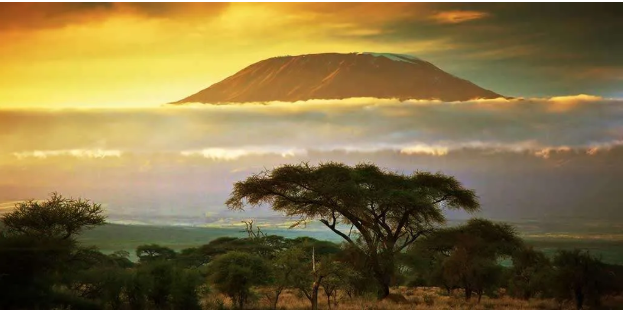
Combining a Kilimanjaro Climb and Tanzania Safari ranks among Africa’s most iconic adventure travel experiences — blending the satisfaction of summiting Africa’s highest peak with the thrill of encountering legendary wildlife on safari. This combination offers a powerful contrast: the challenge and discipline of trekking across diverse mountain ecosystems followed by the awe‑inspiring spectacles of Africa’s wildlife in its natural environment. From the forested foothills of Kilimanjaro to the sweeping plains of Serengeti and the volcanic depths of Ngorongoro, this dual adventure captures the spirit of Tanzanian exploration.
Why Combine Kilimanjaro Climbing and a Safari?
Dual Natural Highlights in One Trip
A Kilimanjaro climb provides a challenging adventure across distinct ecological zones — from rainforest to alpine desert and frozen summit icefields. A safari, by contrast, immerses travelers in grasslands and woodlands where rhinos, lions, elephants, and vast herds of ungulates roam. Having both in a single itinerary makes for a complete Tanzanian narrative: geological wonder followed by biodiversity marvels.
Efficient Travel Planning
Most climbs and safaris begin or end near Arusha or Moshi, which serve as central hubs for transportation, gear preparations, and itinerary coordination. Combining the two means fewer domestic transfers and more time enjoying experiences rather than logistics.
Ideal Seasonal Alignment
The best times for both climbing and game viewing generally align: January–March and June–October are optimal dry months with stable weather for summit bids and excellent wildlife movement patterns on safari.
Planning Your Kilimanjaro & Safari Itinerary
Typical Duration
To fully appreciate both activities without rushing, most travelers allow 10–15 days:
- Kilimanjaro climb: 6–9 days, depending on route and pace.
- Rest & transition day: 1 day after descent.
- Safari: 3–6 days exploring parks like Serengeti, Ngorongoro, Tarangire, or Lake Manyara.
An example timeline might be:
- Day 1–8: Kilimanjaro ascent and descent (e.g., Machame or Lemosho route).
- Day 9: Recovery and transfer to Arusha/airport.
- Day 10–13: Safari circuit (Serengeti, Ngorongoro Crater, Tarangire).
- Day 14–15: Departure or extension to Zanzibar beaches.
Mount Kilimanjaro Climb Essentials
The Mountain
Mount Kilimanjaro stands at 5,895 m (19,341 ft) and is the highest free‑standing mountain in the world. Despite being non‑technical — requiring no ropes or climbing gear — high altitude makes the trek a physical and mental challenge.
Popular Climbing Routes
The most preferred routes for those combining a safari include:
- Machame Route: 6–7 days, scenic and popular.
- Lemosho Route: 7–8 days, excellent acclimatization and views.
- Rongai Route: 6–7 days, quieter and less crowded.
Longer routes typically yield higher summit success rates due to better acclimatization.
Physical Preparation
Training should begin months in advance with cardio (hiking, stair climbing, cycling) and strength training to build endurance. Unlike safari days, trekking can require 4–8 hours of challenging daily walking, often on uneven terrain and in low‑oxygen conditions at higher elevations.
Gear & Clothing
Gear essentials include layered clothing for wide temperature ranges, sturdy hiking boots, insulated sleeping bags, trekking poles, and rain protection. Safari days require lighter, neutral clothing, sun protection, and rattling binoculars.
Tanzania Safari Highlights
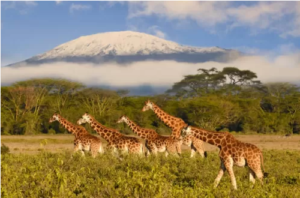
Once your Kilimanjaro climb concludes, trading trekking poles for binoculars takes you into Tanzania’s world‑famous wildlife parks — often near Arusha:
1. Serengeti National Park
Home to the Great Migration, where millions of wildebeest and zebras traverse the plains, Serengeti offers year‑round wildlife viewing with seasonal highlights like river crossings and predator encounters.
2. Ngorongoro Crater
A UNESCO World Heritage Site and a natural amphitheater teeming with wildlife — including rhinos and large predators — Ngorongoro offers one of the highest densities of animals in East Africa.
3. Tarangire National Park
Known for its elephant herds and baobab‑dotted landscapes, Tarangire provides outstanding game viewing and birding opportunities.
4. Lake Manyara National Park
Smaller but rich in diversity, this park combines flocks of flamingos on its lake flats with tree‑climbing lions in the forested slopes.
Safari durations vary, but 3–6 days allows for a thorough exploration of several parks with guided game drives in customized 4×4 vehicles.
Costs and Inclusions
Kilimanjaro Climbing Costs
Climbing costs depend on route length, services, and operator quality. Typical ranges include:
- Budget Climb: ~$1,500–$2,500
- Mid‑Range: ~$2,000–$4,000
- Luxury or Extended Routes: ~$4,000–$7,000+
These usually include park permits, guides, porters, meals, tents, and logistics. Gear rental and tipping can add extra costs.
Safari Costs
Safari expenses also vary by park selection, accommodation style, and duration, with typical ranges between ~$1,500 and $5,000+ per person for a few days of guided game drives and lodge stays.
Combined Packages
Many operators offer combined Kilimanjaro plus safari packages ranging from about $3,500 to $9,500+ for 12–18 day itineraries covering both experiences.
Best Seasons for a Combined Trip
Dry Seasons
- January–March: Warm and dry, excellent for both climbing and wildlife viewing.
- June–October: Peak dry period with crisp summit conditions and optimal game viewing, including classic Great Migration timings.
The rainy months from April to May are generally less ideal due to slippery trails and dispersed wildlife.
Safety & Health Considerations
Altitude & Climbing Risks
Although technical skills aren’t required, altitude sickness is a significant risk on Kilimanjaro. Reputable operators include professional guides and emergency oxygen support to manage symptoms.
Safari Safety
Safaris are safe with experienced guides who understand animal behavior and park rules. Respect wildlife, maintain distance, and follow guide instructions at all times.
Vaccinations, malaria prophylaxis, and travel insurance are also recommended for both trekking and safari travel.
Key Takeaways
- Combined Kilimanjaro climb and safari offer the best of Tanzania’s adventure and wildlife in one journey.
- Optimal planning allows 10–15 days for a comfortable climb and memorable safari.
- Peak months (January–March, June–October) align for both activities and support great conditions.
- Combined packages can range from $3,500 to $9,500+ depending on duration and comfort level.
- Arusha and Moshi serve as hubs for logistical support, transfers, and acclimatization rest days before and after.
Frequently Asked Questions (Q&A)
Q1: Is it better to do the safari before or after the climb?
Most travelers choose to climb first then safari — tackling the physically demanding part while fresh, then relaxing with wildlife viewing. Others may start with safari to acclimate somewhat before climbing. Either sequence can work depending on preference.
Q2: How long should I allocate for both experiences?
A typical combined itinerary ranges from 10 to 18 days, allowing ample time for acclimatization, climbing, transfer days, and safari exploration.
Q3: What gear do I need for both?
Climbing gear includes layered cold‑weather clothing, boots, sleeping bags, and trekking poles; a safari requires light neutral clothing, sun protection, binoculars, and cameras.
Q4: Do combined packages include flights?
Often they include domestic transfers and ground logistics, but international flights to Tanzania may be separate. Review package details carefully.
Q5: What parks should I visit on the safari leg?
Popular park combinations include Serengeti, Ngorongoro Crater, Tarangire, and Lake Manyara, each offering diverse ecosystems and wildlife experiences.
Conclusion
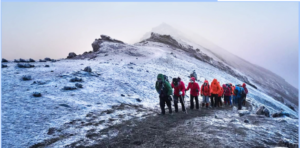
A Kilimanjaro climb and Tanzania safari together form an extraordinary adventure that transcends traditional travel — blending personal achievement with the magic of wildlife discovery. With careful planning, the right operator, and flexibility in itinerary and timing, you can conquer Africa’s highest peak and witness its most iconic wildlife spectacles all in one unforgettable journey.
Whether you’re a seasoned trekker seeking your next challenge or a wildlife enthusiast dreaming of first‑hand encounters with lions, elephants, and wildebeest migrations, this combined trip showcases the best of Tanzanian landscapes, cultures, and natural history — truly a bucket‑list experience worth every step and safari drive.