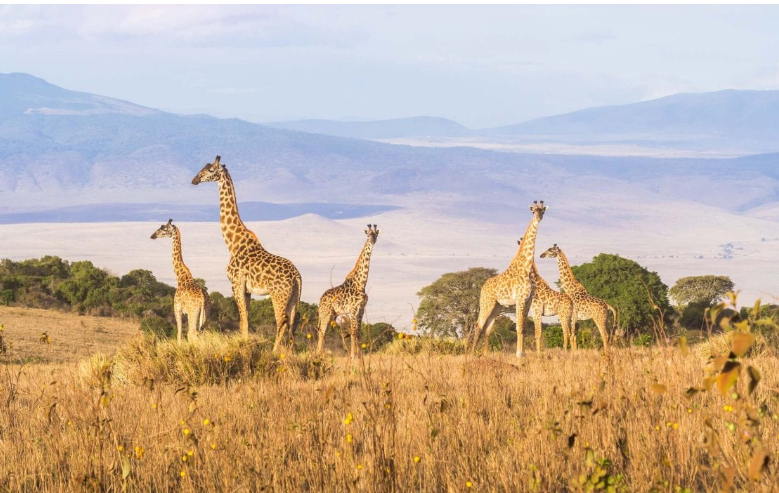
A Ngorongoro Crater safari is one of Africa’s most breathtaking wildlife experiences. Often described as a “natural zoo,” the crater offers unmatched game viewing within a dramatic volcanic landscape. Located in northern Tanzania, the crater forms part of the larger Ngorongoro Conservation Area and is one of the most celebrated safari destinations on the continent.
What makes a Ngorongoro Crater safari so special is the rare combination of dense wildlife populations, stunning scenery, and year-round accessibility. Within a single day, visitors can spot lions, elephants, flamingos, hippos, and even the endangered black rhino — all inside the world’s largest intact volcanic caldera.
This comprehensive guide explores everything you need to know about planning an unforgettable Ngorongoro Crater safari, including wildlife highlights, best time to visit, costs, accommodation options, and expert travel tips.
What Is the Ngorongoro Crater?
The Ngorongoro Crater was formed around two to three million years ago when a massive volcano erupted and collapsed inward. Today, the crater spans approximately 260 square kilometers and features a unique ecosystem enclosed by 600-meter-high walls.
Because of its natural enclosure, wildlife remains concentrated within the crater floor, making a Ngorongoro Crater safari one of the most reliable game-viewing experiences in Africa.
In recognition of its ecological and cultural significance, the Ngorongoro Conservation Area is designated as a UNESCO World Heritage Site.
Why Choose a Ngorongoro Crater Safari?
Unlike vast open parks where wildlife can be spread out, the crater offers exceptional density of animals in a relatively compact area. This increases your chances of seeing a wide variety of species in a short time.
Key reasons to choose a Ngorongoro Crater safari include:
- High concentration of Big Five wildlife
- Spectacular panoramic views from the rim
- Year-round wildlife viewing
- Unique volcanic ecosystem
- Easy access from Arusha and Serengeti
It is often considered one of the best single-day safari destinations in Africa.
Wildlife You Can Expect to See
The Ngorongoro Crater safari experience is renowned for Big Five sightings:
- Lions
- Elephants
- Leopards
- Buffalo
- Black rhinoceros
The crater is one of the few places in Tanzania where spotting the endangered black rhino is relatively likely.
Other wildlife includes:
- Hippos
- Spotted hyenas
- Jackals
- Cheetahs (occasionally)
- Wildebeest
- Zebras
- Thomson’s gazelles
- Flamingos around Lake Magadi
Because animals rarely migrate out of the crater, sightings are consistent throughout the year.
The Unique Ecosystem of the Crater
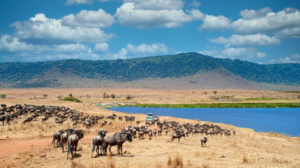
The crater floor consists of several habitats:
- Open grasslands
- Acacia forests
- Swamps
- Soda lakes
- Riverine areas
Lake Magadi, located at the center, attracts flamingos and other water birds. Swampy regions support hippos and elephants, while grasslands provide ideal hunting grounds for lions.
This diversity within a small area makes a Ngorongoro Crater safari particularly rewarding for wildlife enthusiasts and photographers.
Best Time for a Ngorongoro Crater Safari
The crater offers year-round wildlife viewing, but seasonal differences may influence your experience.
Dry Season (June – October)
- Clear skies
- Shorter grass improves visibility
- Comfortable temperatures
- Peak tourist season
Green Season (November – May)
- Lush landscapes
- Fewer visitors
- Lower accommodation rates
- Excellent bird watching
Unlike the nearby Serengeti National Park, the crater does not depend on migration patterns for good wildlife viewing. This makes timing more flexible.
What a Typical Safari Day Looks Like
A Ngorongoro Crater safari usually begins early in the morning.
Morning Descent
Vehicles descend the steep crater walls shortly after sunrise.
Game Drive on the Crater Floor
Wildlife viewing continues for 4–6 hours.
Picnic Lunch Near Hippo Pool
Designated picnic sites allow you to enjoy meals surrounded by wildlife (at a safe distance).
Afternoon Exploration
Guides track predators or explore forested areas before ascending back to the rim.
Most visitors spend one full day inside the crater, though overnight stays on the rim are common.
Accommodation Options
While camping on the crater floor is not permitted, accommodation is available along the crater rim or nearby areas.
Luxury Lodges
Offer:
- Panoramic crater views
- En-suite bathrooms
- Fine dining
- Personalized service
Mid-Range Lodges
Provide comfort with:
- Private rooms
- Hot showers
- Scenic locations
Budget Campsites
Public campsites are available outside the crater rim, offering a more affordable experience.
Staying on the rim allows early access to the crater, improving wildlife viewing opportunities.
Costs of a Ngorongoro Crater Safari
Ngorongoro is one of Tanzania’s more expensive safari destinations due to conservation fees.
Estimated daily costs:
- Budget Safari: $250–$400 per person
- Mid-Range Safari: $400–$700 per person
- Luxury Safari: $800–$2000+ per person
Costs typically include:
- Park and conservation fees
- 4×4 safari vehicle
- Professional guide
- Accommodation
- Meals
Because only a limited number of vehicles are allowed daily, early booking is recommended.
Photography Opportunities
The Ngorongoro Crater safari offers exceptional photography conditions:
- Elevated rim viewpoints
- Close wildlife proximity
- Open grasslands
- Dramatic landscapes
Morning light creates stunning images of mist rising from the crater floor.
Recommended gear:
- Telephoto lens
- Wide-angle lens for landscapes
- Extra batteries
Cultural Experiences
The Ngorongoro Conservation Area is unique because it allows human habitation. The Maasai people live and graze cattle in designated areas within the conservation zone.
Visitors may experience:
- Maasai village tours
- Traditional dance performances
- Cultural storytelling
- Local crafts
This cultural dimension adds depth to a Ngorongoro Crater safari beyond wildlife viewing.
Combining Ngorongoro with Other Destinations
Most travelers include Ngorongoro as part of Tanzania’s Northern Circuit, which may also feature:
- Serengeti National Park
- Tarangire National Park
- Lake Manyara National Park
This combination provides varied landscapes and wildlife experiences.
Conservation and Responsible Tourism
The Ngorongoro Conservation Area balances wildlife protection with sustainable community living. Conservation fees help fund:
- Wildlife protection
- Anti-poaching initiatives
- Community development
- Environmental preservation
Responsible safari practices include:
- Staying inside designated vehicle tracks
- Avoiding disturbance to animals
- Supporting eco-friendly lodges
Protecting this fragile ecosystem ensures that future generations can enjoy the same remarkable experience.
Expert Tips for an Unforgettable Safari
- Start early to maximize wildlife viewing.
- Dress in layers; mornings can be cold on the rim.
- Bring binoculars for distant sightings.
- Choose a knowledgeable guide for better tracking.
- Combine with Serengeti for a more comprehensive safari.
- Book well in advance during peak season.
Conclusion
A Ngorongoro Crater safari offers one of the most concentrated and visually dramatic wildlife experiences in Africa. Within the crater’s towering volcanic walls lies a thriving ecosystem where predators roam freely and grazing herds dot the endless plains.
From rare black rhino sightings to breathtaking panoramic views, every moment inside the crater feels extraordinary. Whether you visit as part of a larger Northern Circuit adventure or as a standalone destination, Ngorongoro delivers consistent wildlife encounters and unparalleled scenery.
For travelers seeking a safari that combines reliability, beauty, and ecological significance, the Ngorongoro Crater stands as one of Africa’s greatest natural treasures.
Key Takeaways
- Ngorongoro Crater is the world’s largest intact volcanic caldera.
- It offers one of Africa’s highest wildlife densities.
- Black rhino sightings are more likely here than in many other parks.
- Safari experiences are excellent year-round.
- Accommodation is available on the crater rim.
- Conservation efforts balance wildlife protection with Maasai cultural heritage.
FAQs About Ngorongoro Crater Safari
1. How long should I spend at Ngorongoro Crater?
Most visitors spend one full day inside the crater, with an overnight stay on the rim.
2. Is Ngorongoro better than Serengeti?
They offer different experiences. Ngorongoro provides concentrated wildlife viewing, while Serengeti offers vast landscapes and migration events.
3. Can I see the Big Five in one day?
Yes, it is possible — especially lions, buffalo, and elephants. Rhino sightings are also relatively common.
4. Is Ngorongoro safe for tourists?
Yes. Safaris are conducted with professional guides and regulated park authorities.
5. When is the best time to visit?
The dry season (June–October) offers optimal viewing, but wildlife is visible year-round.
6. Are children allowed on safari?
Yes, though age restrictions may apply depending on safari operator and lodge.
If you’d like, I can also create:
- SEO-optimized version (meta title, description, schema markup)
- Conversion-focused landing page
- 2000+ word pillar article
- Blog content targeting US or UK audiences
- Internal linking strategy for safari niche
Just tell me your target market.