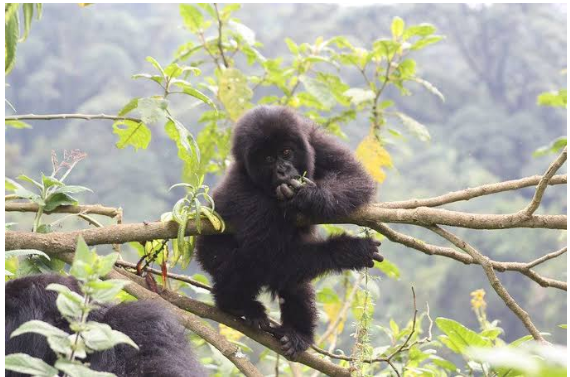
Mountain gorillas live in only three countries onTrek Gorilla in Rwand, Uganda, and the Democratic Republic of Congo. All three protect parts of the same mountain ecosystem, and all three offer permit-based treks to habituated gorilla families. Yet the experience in each country differs in cost, comfort, scenery, and atmosphere.
If you are deciding where to trek, this guide compares the three destinations side by side. It covers what makes each one distinctive, how permits work, when to go, how to prepare, and how to choose the right country for your time, budget, and travel style.
The Big Picture: One Species, Three Countries
Mountain gorillas inhabit two separate areas. The first is the Virunga Massif, a chain of volcanoes shared by Rwanda, Uganda, and the DRC. The second is Bwindi Impenetrable National Park in southwestern Uganda. Together these areas hold the entire wild population, which has recovered from the brink of extinction and is now listed as Endangered rather than Critically Endangered.
Because the gorillas ignore borders, conservation works best when the three countries cooperate. Each national wildlife authority manages its own permits and rules, but they share a common goal: using carefully limited tourism to fund protection and support local communities.
Gorilla Trekking in Rwanda
Where: Volcanoes National Park, in the northwest, about two to three hours by road from Kigali.
What it is like: Rwanda is compact, safe, and efficiently run. Volcanoes National Park offers dramatic scenery, with five volcanoes rising above bamboo forest and mossy woodland. The park is also linked to the legacy of primatologist Dian Fossey, whose research camp and grave can be visited on a guided hike.
Strengths:
- Short transfer from the capital, ideal for tight schedules
- Polished organization and strong safety reputation
- Easy add-ons such as golden monkeys, crater hikes, Nyungwe chimpanzees, and Akagera game drives
- High-end lodges with a refined feel
Considerations:Trek Gorilla in Rwanda’s permits have historically been the most expensive of the three countries. The country is better suited to travelers who value convenience and comfort over a lower price.
Gorilla Trekking in Uganda
Where: Bwindi Impenetrable National Park, a UNESCO World Heritage Site, and the smaller Mgahinga Gorilla National Park, both in the southwest.
What it is like: Uganda holds roughly half of the world’s mountain gorillas. Bwindi is a thick, ancient rainforest with steep ridges and deep valleys, and trekking here feels wild and immersive. The park is divided into sectors, including Buhoma, Ruhija, Rushaga, and Nkuringo, each with its own gorilla families, scenery, and lodges.
Strengths:
- More habituated gorilla families and therefore more flexibility with dates
- A wide range of accommodation, from simple lodges to luxury camps
- Permit prices that have generally been more moderate than Rwanda’s
- Easy combinations with chimpanzees in Kibale, tree-climbing lions in Queen Elizabeth National Park, and the Nile at Murchison Falls
- A chance to join a gorilla habituation experience in some areas, with longer time near a group still being habituated
Considerations: Distances are greater. Bwindi is a long drive from Kampala, and roads can be slow, although domestic flights are available to nearby airstrips.
Gorilla Trekking in the Democratic Republic of Congo
Where: Virunga National Park, Africa’s oldest national park, in the east of the country.
What it is like: Virunga offers a rugged, remote atmosphere against a backdrop of active volcanoes. For adventurous travelers, it feels the least touched of the three destinations.
Strengths:
- A dramatic volcanic landscape
- Permit prices that have often been lower than in Rwanda
- Opportunities to combine gorillas with other adventures, depending on current park conditions
Considerations: Security in eastern DRC can change, sometimes quickly, and access may be restricted at times. Travelers should check current government advisories, confirm that the park is open to visitors, and use only experienced operators with strong safety procedures. Flexible plans and good insurance are especially important here.
Side-by-Side Comparison
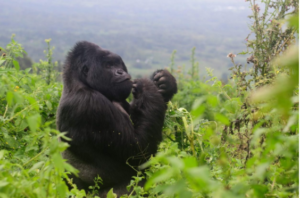
Accessibility. Rwanda is the easiest, with a short drive from Kigali. Uganda requires more travel time, and the DRC requires the most careful logistics.
Cost. Rwanda has typically been the most expensive, Uganda more moderate, and the DRC often the lowest in permit price. All prices change, so confirm current rates.
Variety of experience. Uganda offers the widest range of combinations. Rwanda offers the most polished and compact package. The DRC offers the most adventurous feel.
Comfort. Rwanda and Uganda both have excellent high-end lodges, and Uganda also has strong mid-range and budget options.
Risk and planning. Rwanda and Uganda are straightforward for most visitors. The DRC calls for extra research, flexibility, and a trusted operator.
How Permits Work
In every country, permits are sold by the national wildlife authority or through licensed operators, and each permit is for a single day and a specific gorilla family or sector. The number of permits is limited daily, so each family receives only a small group for one hour.
Permit revenue funds anti-poaching patrols, veterinary care, ranger salaries, and community projects such as schools and clinics. Because prices, discounts, and conditions can change, always confirm current permit rates with the relevant authority or a licensed operator before building a budget. A permit does not cover flights, lodging, meals, transport, porters, tips, visas, or insurance.
A Typical Trek Day in Any Country
- Briefing. Rangers explain the rules and assign you to a gorilla family.
- The hike. Groups of up to eight visitors follow guides, trackers, and armed rangers. The walk can last under an hour or several hours.
- One hour with the gorillas. You observe from a respectful distance.
- The return. You hike back, often muddy and elated.
Best Time to Trek
Gorillas can be visited year-round, but weather affects comfort.
- Dry seasons (June to September and December to February): Firmer trails and clearer views. These are the busiest periods, so book early.
- Wet seasons (March to May and October to November): More rain and mud, but fewer visitors and easier availability.
Since it is October now, travelers aiming for the June to September window should start arranging permits and lodging several months ahead.
Fitness, Packing, and Rules
Trek Gorilla in Rwand take place at altitudes commonly between 2,200 and 3,700 meters, on steep and sometimes slippery ground. Moderate fitness is enough, and a few weeks of regular walking or stair climbing beforehand helps. Porters are available at most trailheads and are well worth hiring.
Pack waterproof hiking boots, long sleeves and trousers, a rain jacket, gloves, a hat, sunscreen, insect repellent, a camera without flash, and a refillable water bottle.
The rules are the same across the region and exist to protect the gorillas from human illness. The minimum age is 15. Stay about seven meters away, keep your voice low, avoid flash photography, and never eat or drink near the animals. Anyone with a contagious illness may be refused entry.
Which Country Should You Choose?
Choose Rwanda if you have limited time, want a smooth and comfortable trip, and are comfortable with a higher permit price.
Choose Uganda if you want variety, flexible budgets, and the chance to combine gorillas with chimpanzees and classic safari.
Choose the DRC if you are an experienced, adaptable traveler who values wild scenery and is willing to do extra planning around security and access.
Some travelers combine two countries, for example Uganda and Rwanda, which share a border region and can be linked in a single itinerary.
Choosing a Responsible Operator
Look for a licensed local company with itemized pricing, strong recent reviews, and clear cancellation terms. Ask who books your permit and what happens if you need to change dates. Responsible operators hire local guides, support communities, and follow park rules. Be cautious of anyone offering a permit far below the official rate or promising a specific gorilla family.
Conclusion
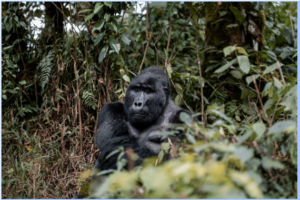
Trekking gorillas in Rwanda, Uganda, and the DRC offers three versions of the same extraordinary experience. Rwanda delivers convenience and polish, Uganda delivers variety and value, and the DRC delivers raw adventure for those prepared for extra planning. Whichever you choose, the essentials do not change: book early, prepare for the terrain, follow the rules, and travel with a reputable operator. The hike may be demanding, but the hour with wild gorillas is quiet, humbling, and unforgettable. By trekking responsibly, you help fund the protection that keeps these animals alive.
Key Takeaways
- Mountain gorillas live only in Rwanda, Uganda, and the DRC.
- Rwanda offers short transfers, polish, and higher permit prices.
- Uganda offers the most gorilla families, variety, and flexible budgets.
- The DRC offers a wild, adventurous experience but needs extra attention to security and access.
- Permit prices change, so confirm current rates with the wildlife authority or a licensed operator.
- Dry seasons are busiest, while wet seasons are quieter and greener.
- The minimum age is 15, and visitors must stay about seven meters away.
- Moderate fitness, waterproof gear, and a porter make the trek easier.
- Book early with a licensed, transparent operator.
Frequently Asked Questions
Which country is best for gorilla trekking?
It depends on your priorities. Rwanda is best for convenience, Uganda for variety and value, and the DRC for adventure with added planning.
Which country has the cheapest gorilla permits?
The DRC has often been the lowest and Rwanda the highest, with Uganda in between, but prices change. Confirm current rates before booking.
Is it safe to trek gorillas in the DRC?
Security in eastern DRC can change. Check government travel advice, confirm park status, and use an experienced operator with strong safety procedures.
Can I trek gorillas in more than one country?
Yes. Many travelers combine Uganda and Rwanda in one trip, with separate permits for each.
How long do you spend with the gorillas?
One hour once you find them. The hike to reach them varies from under an hour to several hours.
How far ahead should I book?
Four to six months ahead for peak seasons. Wet-season trips are often easier to arrange at shorter notice.
How difficult is gorilla trekking?
It ranges from moderate to challenging, depending on where the gorillas are. Guides try to match families to fitness levels.
Can children trek gorillas?
No. The minimum age is 15.
Are sightings guaranteed?
Sightings are very likely because trackers follow the groups daily, but gorillas are wild animals and no outcome can be promised.
What if I am sick on trek day?
You may be refused entry to protect the gorillas. Check refund and rescheduling terms before you book.